

How I generated a 15% return in 90-days
Power your portfolio with an unfair advantage by viewing one-year price forecasts across 500+ stocks at once
Explore StreetPulse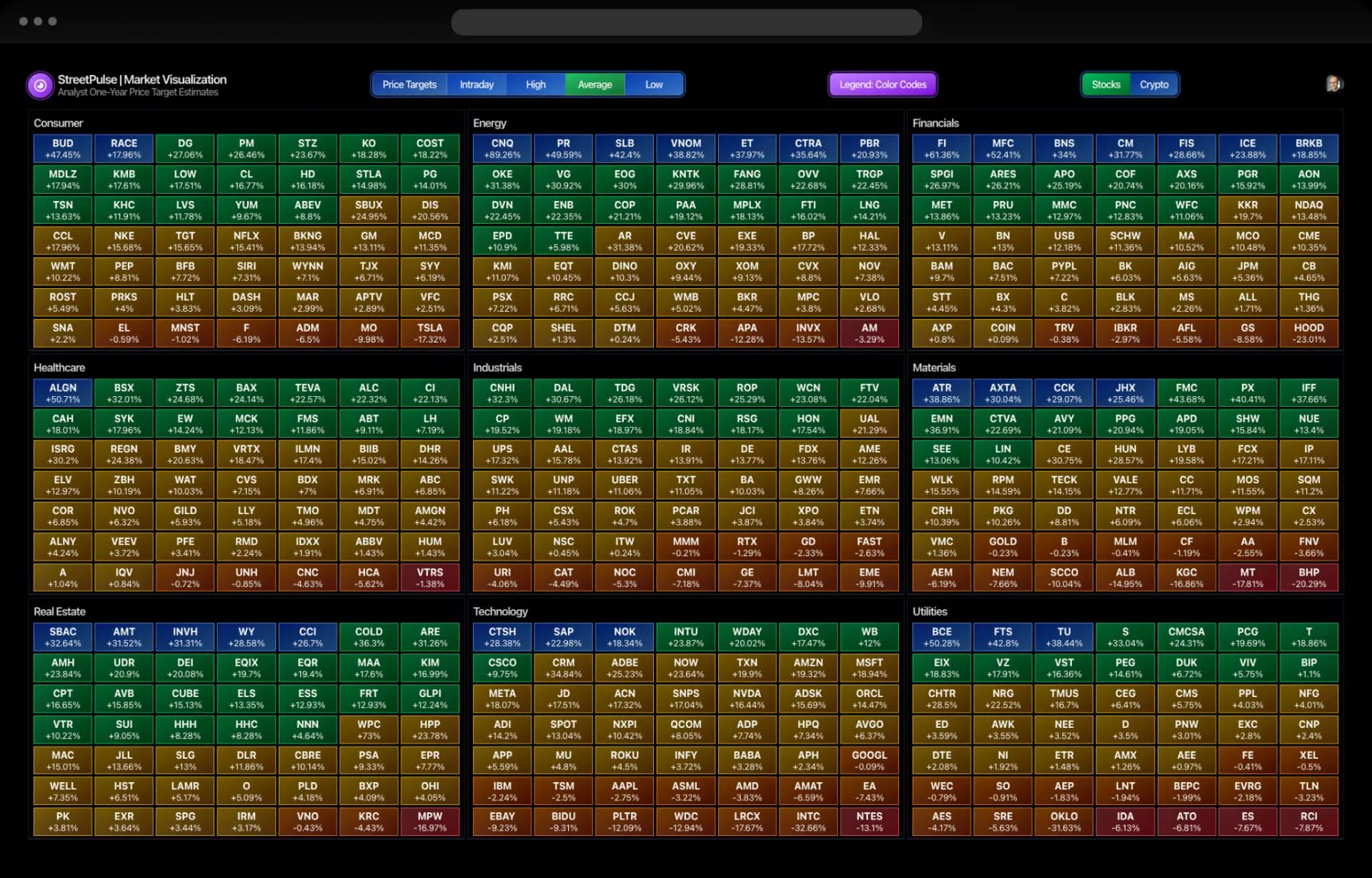
The Problem with Information Overload
As an investor, I used to spend hours scouring analyst reports, trying to make sense of conflicting price targets and ratings. One analyst would say "buy," another would say "hold," and I'd be left wondering: who's right?
That changed when I built my own app that aggregates analyst price targets across 504 stocks and 9 market categories—turning market noise into actionable signals.
The 90-Day Experiment
On September 24th, I decided to put this platform to the test. Instead of relying on gut feelings or chasing hot tips, I followed a simple strategy: invest based on the color-coded signals that synthesize analyst consensus into forecasted 1-year returns.
Here's how the system works:
- 🔵 BLUE = >25% forecasted return (strong conviction)
- 🟢 GREEN = >5% forecasted return (solid opportunity)
- 🟡 YELLOW = Risky but positive (proceed with caution)
- 🟠 ORANGE = High risk, possible upside (speculative)
- 🔴 RED = No positive return expected (avoid)
The Results: 15% in 90 Days
By January 8th—just three months later — my portfolio had generated a cumulative 15% return.
For context, that's roughly a 60% annualized return if sustained, crushing the typical market average of 8-10% annually.
What Made the Difference?
1. Aggregate Intelligence Beats Individual Opinions
Instead of betting on one analyst's view, the platform synthesizes price targets from multiple sources, creating a more reliable consensus view.
2. Visual Clarity Eliminates Paralysis
The color-coding system cut through analysis paralysis. I could instantly identify high-conviction opportunities (blue stocks) and avoid value traps (red stocks).
3. Coverage Across 504 Stocks and 9 Categories
Diversification was built into my strategy. I wasn't limited to tech darlings or energy plays—I had visibility across sectors, allowing me to rotate into the best opportunities.
4. Dynamic Signals, Not Static Advice
As analyst targets updated, so did my portfolio strategy. This kept me aligned with evolving market sentiment rather than locked into outdated positions.
The Strategy I Followed
My approach was straightforward:
- 80% allocation to BLUE-rated stocks (highest conviction)
- 20% allocation to GREEN-rated stocks (solid performers)
- Avoided YELLOW, ORANGE, and RED entirely
I set it, forget it for a quarter, and sell if I got anywhere close to the target of the original investment based on any color changes, ensuring I was always in the strongest positions.
Why This Matters for Every Investor
You don't need to be a professional analyst to make informed decisions. You don't need hours each day to research stocks. What you need is better information, presented clearly.
This platform gave me:
- ✅ Data-driven conviction
- ✅ Portfolio clarity
- ✅ Time back in my day
- ✅ Most importantly: real returns
A 15% return in 90 days wasn't luck—it was the power of aggregated intelligence meeting actionable design.
Here's the results for those that like proof...
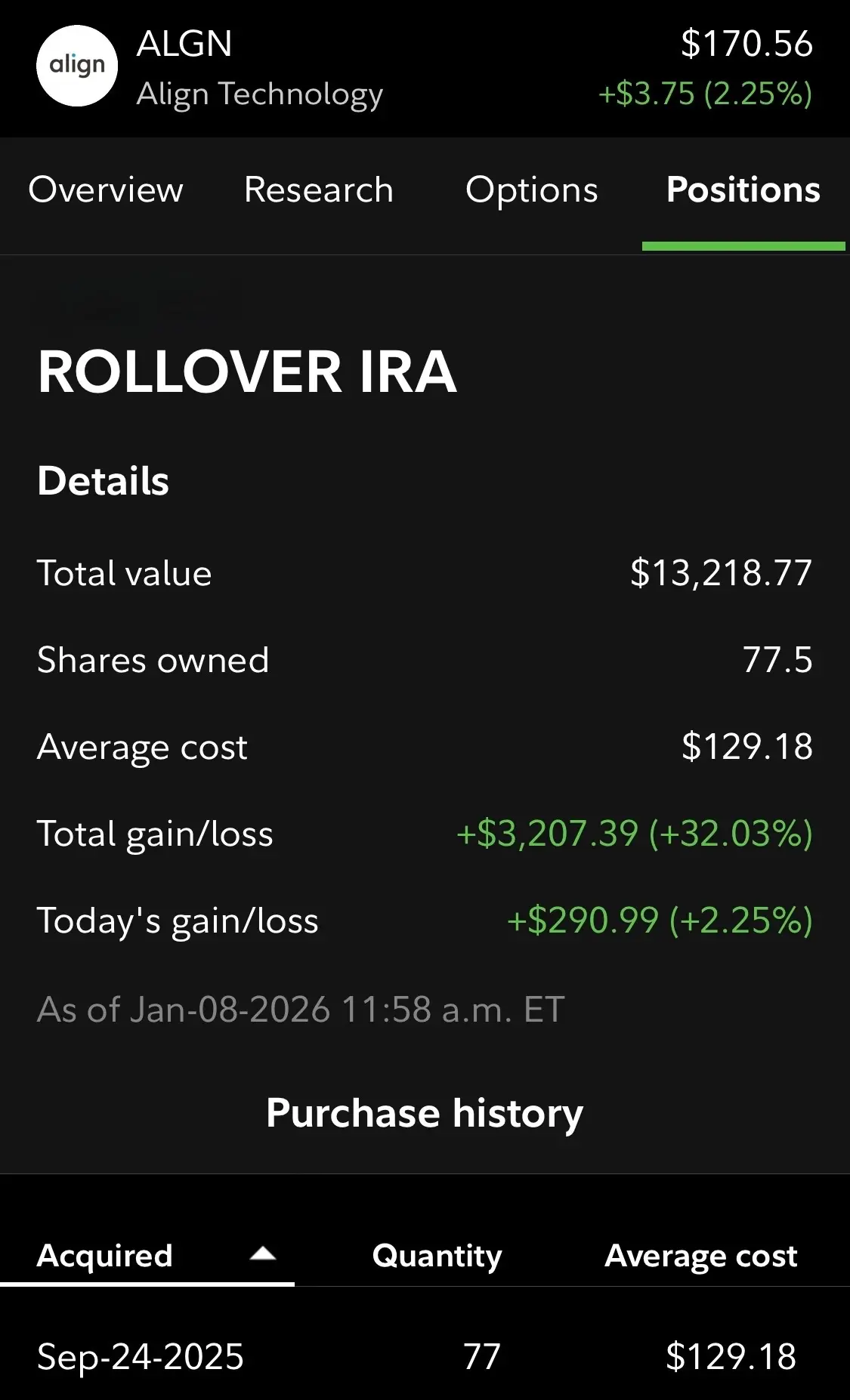 | 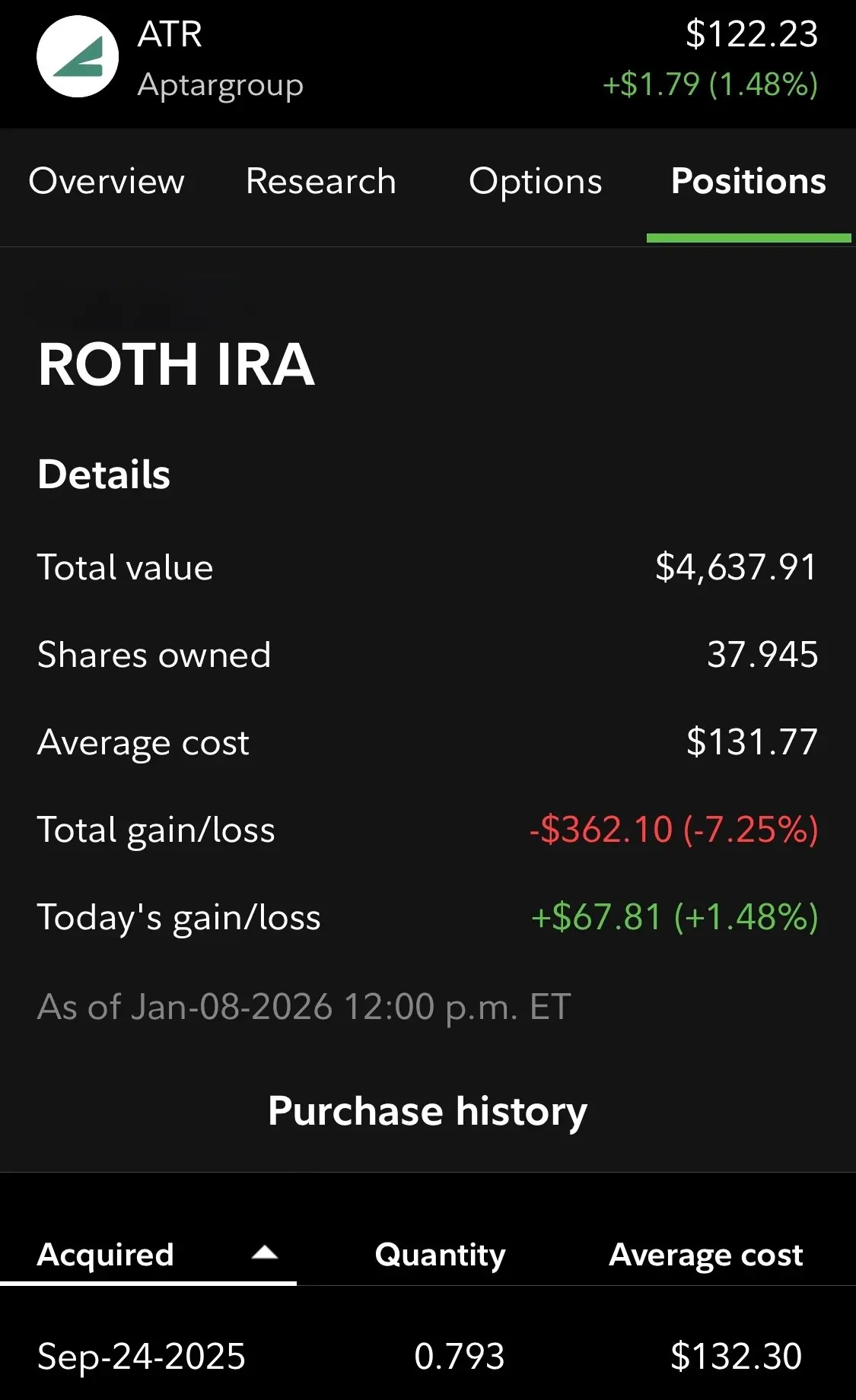 | 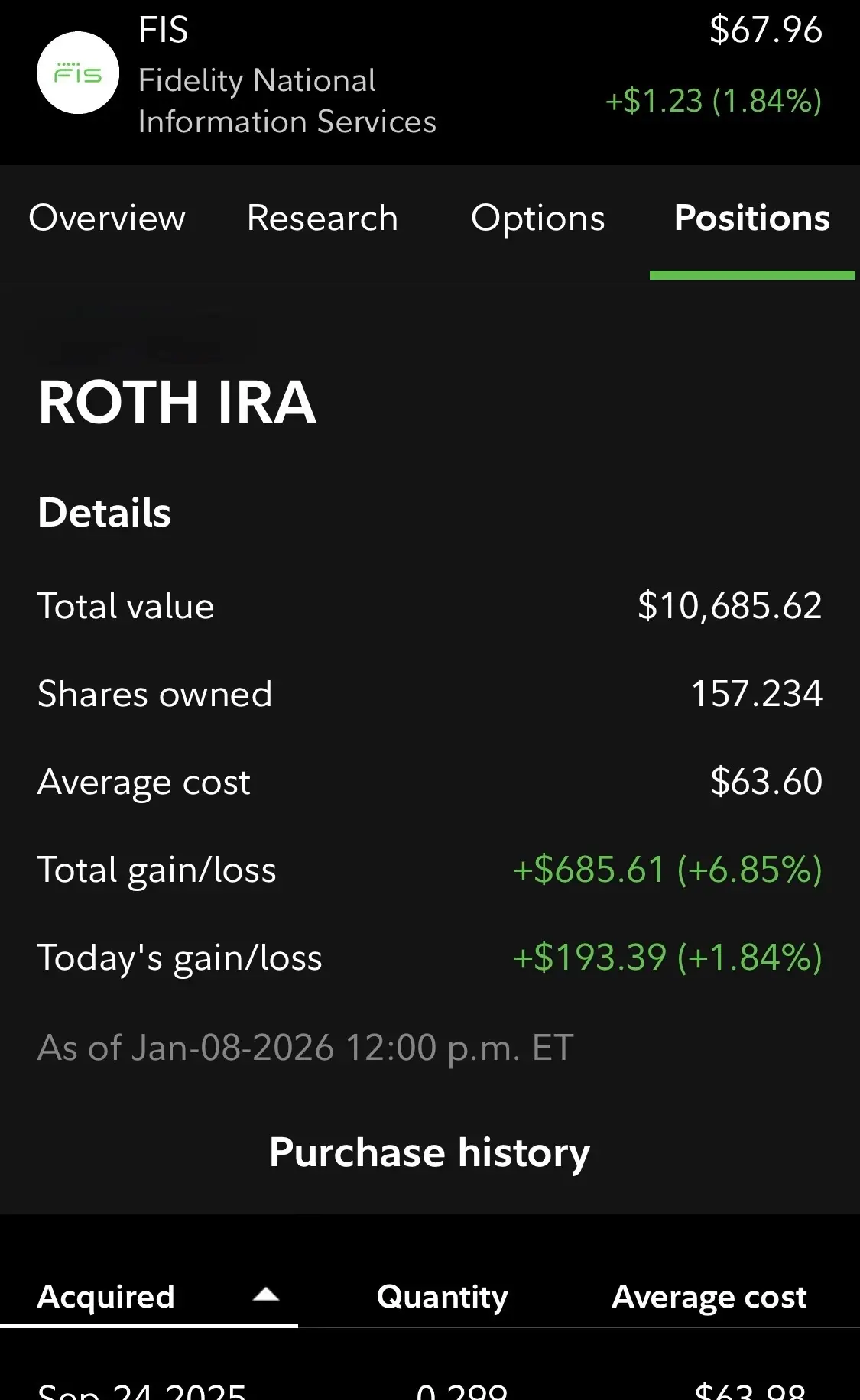 | 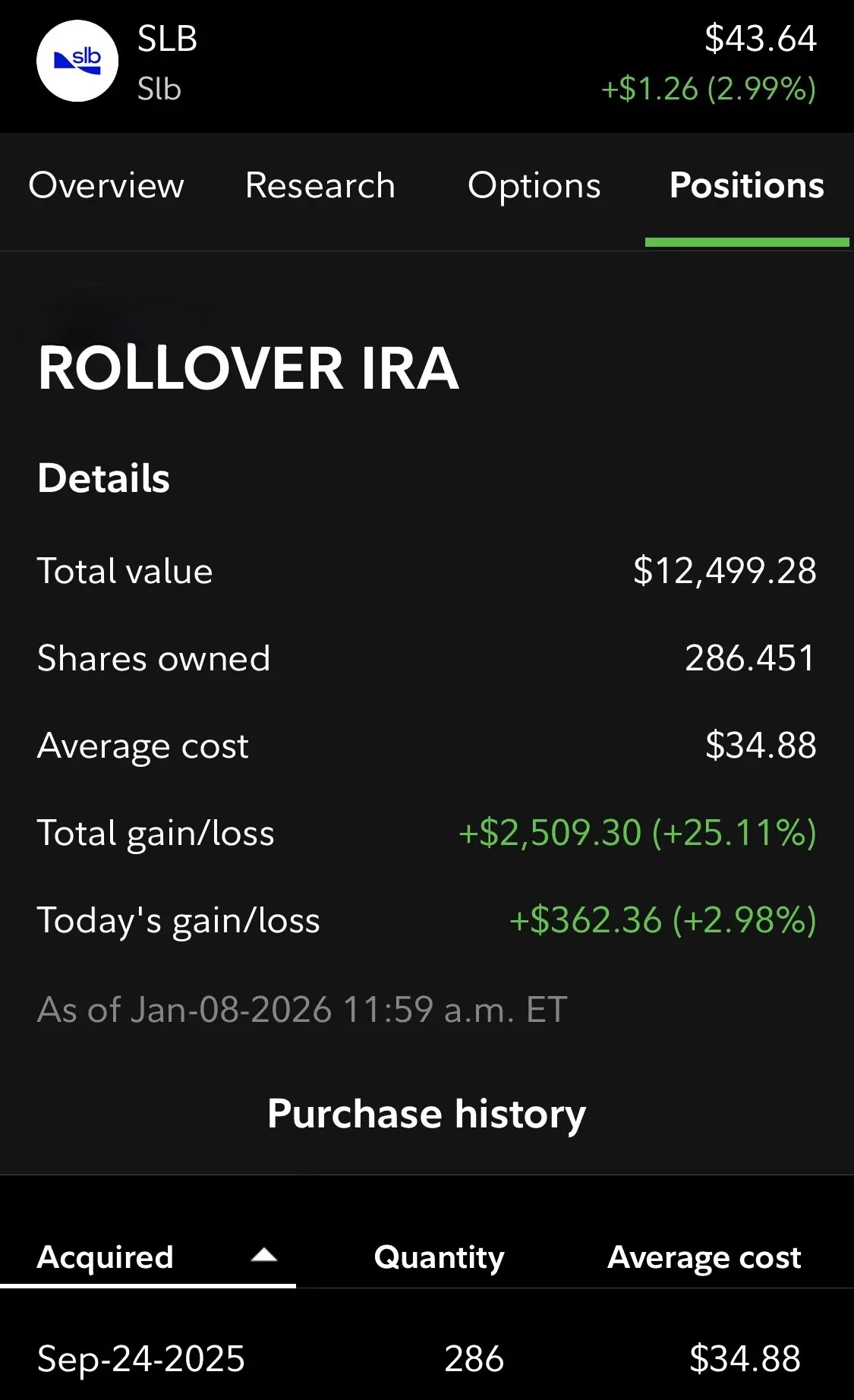 | 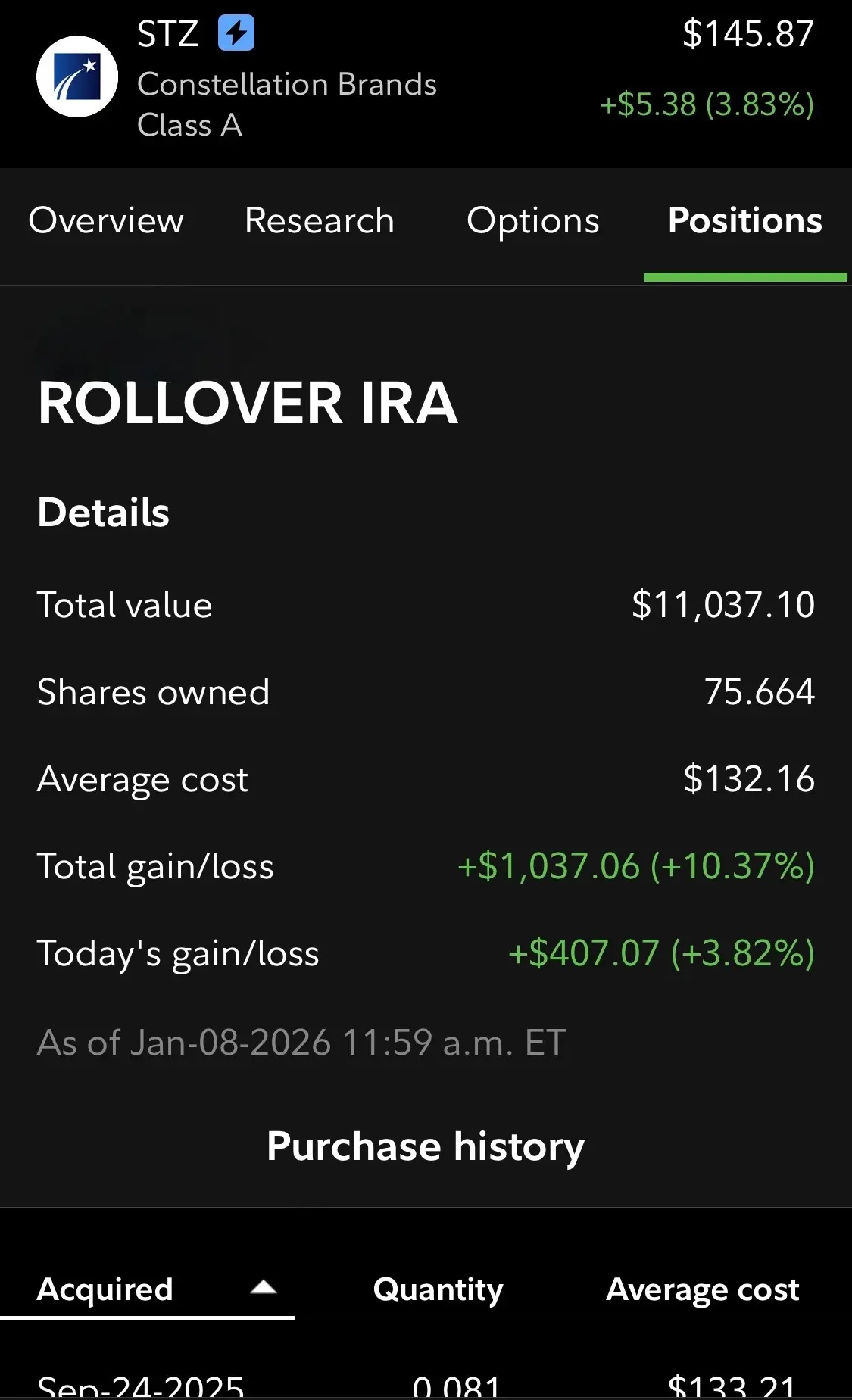 |
Math to get to 15% return on investment
| Initial Investment | $ | 45,000 |
| Gains | $ | 7,439 |
| Losses | $ | 362 |
| Net Gain | $ | 7,077 |
| Percent | 15.72% | |
| Total Capital | $ | 52,077 |
Forecasted and sold date price target estimates
| Sep 24, 2025 | ALGN +49.25% | ATR +79.68% | FIS +34.18% | SLB +54.76% | STZ +53.67% |
| Jan 9, 2026 | ALGN +17.25% | ATR +79.68% | FIS +27.33% | SLB +28.29% | STZ +41.25% |
| Total Return | ALGN +32.03% | ATR -7.25% | FIS +6.85% | SLB +25.11% | STZ +10.37% |
Ready to See What the Signals Show You?
Whether you're a seasoned investor or just starting out, having 504 stocks analyzed and color-coded based on analyst consensus could be the edge you've been looking for.
Past performance doesn't guarantee future results, but better information does guarantee better decisions.
Login to the platform and see your first signals today
Disclaimer: This represents one individual's experience over a specific time period. Returns will vary. All investing involves risk, including loss of principal. Always conduct your own research and consider your risk tolerance before investing.
The decision that everyone said was crazy turned out to be the best investment I ever made—in myself.
When I told my colleagues at Apple I was leaving my mid-six-figure job to join a startup at a fraction of the salary, the reactions ranged from confused silence to outright concern for my sanity.
"You have four kids."
"Do you know what Silicon Valley costs?"
"What about Healthcare? College funds? Retirement?"
They weren't wrong to worry. The math seemed impossible: I was taking a 66% pay cut to join Turvo, Inc. as Head of Financial Management and Payment Products. The responsible thing—the safe thing—would have been to stay put, collect my generous paycheck, and maybe tinker with startups in my spare time.
But I had something most people attempting this leap don't have: a financial runway that made the impossible possible.
The Foundation: Building Wealth While Building a Career
Years before I made that leap, I discovered an investment approach that would fundamentally change the trajectory of my life. While I was still earning that comfortable Apple salary, I wasn't doing what most of my colleagues were doing - like buying Porsches, Teslas, or Vacation homes in Tahoe... Instead, I was systematically deploying it through a disciplined investment strategy.
Over 10 years, I achieved a cumulative 997% return.
Let me be clear: this wasn't luck, gambling, or some get-rich-quick scheme. It was consistent, strategic investing that compounded year after year, building a financial foundation strong enough to support the risks I knew I'd eventually want to take.
The Leap: From Corporate Comfort to Startup Reality
Armed with this financial cushion, I made the jump to Turvo. Suddenly, I wasn't just another product leader at a tech giant—I was responsible for both commercialization and product development of an entire financial vertical at a fast-growing startup.
The experience was transformative. I wasn't just executing someone else's vision; I was building it.
That role opened doors I never expected. Next came a position as Chief Product Officer at Modo Payments, a payments orchestration fintech where I got to operate at the strategic level, shaping the future of how businesses handle transactions.
But the real dream? Becoming a founder.
The Ultimate Test: Founding Nautical Commerce
When the opportunity came to launch Nautical Commerce, I knew it was now or never. While I was working at Modo Payments, we spoke with 35 of the Fortune 500 companies and nearly all of them said the same thing: they wanted to build a marketplace to compete with Amazon.
On realizing the massive opportunity in the market, I quit my job, recruited two co-founders and launched Nautical Commerce on March 17th, 2020 (the day Covid-19 was declared a global pandemic). At first, we asked ourselves: What did we just do?
I answered my co-founders question: Everyone else is going to stop innovating, so let's get to building.
Six months later, we were able to raise a $3.2M seed round (while in Austin, Texas)—a success by any measure—but as any founder will tell you, that money isn't for you. It's for the company.
My salary? $75,000 a year.
Meanwhile, we had made the decision that it was best if the company was located in Manhattan, so I relocated my family of six to Manhattan, where our annual expenses exceeded $225,000. Rent alone was $84,000 per year for an apartment that could fit my wife, four kids, and the occasional illusion of personal space.
On paper, we were operating at a $150,000 annual deficit.
But here's the thing: we weren't.
How the Math Actually Worked
Those investment returns I'd been building for a decade? They weren't sitting in some retirement account I couldn't touch until I turned 65. They were accessible, liquid, and generating returns that bridged the gap between my founder salary and our family's needs.
While I was grinding 100-hour weeks building Nautical Commerce, my investments were working just as hard:
- Hiring my "Company" sponsored co-founder to join me in building Nautical Commerce (we had no funding or revenue, it came out of my pocket)
- Covering the shortfall between income and expenses (I was living on $75,000 a year)
- Providing peace of mind during the inevitable startup uncertainties
- Allowing me to stay focused on building rather than worrying about the next month's rent
- Giving me the leverage to negotiate from a position of strength, not desperation
Most importantly: it gave me the freedom to pursue my passion without sacrificing my family's quality of life, and without having to worry about making payroll.
The Tool That Made It All Possible
I'm not going to pretend everyone can or should quit their job and move their family to one of the most expensive cities in the world on a founder's salary. That would be irresponsible advice.
But what I will say is this: your career choices and your financial strategy should work together, not against each other.
In the early days of my career I watched Mad Money with Jim Cramer and eagerly waited for his recommended stock picks. I was totally captivated by it.
The one problem: I couldn't watch every night and didn't have enough capital to pick all the opportunities he recommended
Don't get me wrong, I still watch Mr. Cramer when I can - he is the market guru and I learn something new every time I watch him
The Platform
I needed an edge, so I built a platform that helped me understand the market at a glance - instantly
In essence, it's a platform that gives you:
- Strategic insights across 504 stocks and 9 market categories instantly
- Color-coded signals to help you quickly identify the best opportunities
- Real-time data to see the market move in intraday to track your portfolio
The Color-Coded System
I created a color-coding system to make it easy for me to further research the ones analysts loved the most:
- 🔵 BLUE = >25% forecasted return (strong conviction)
- 🟢 GREEN = >5% forecasted return (solid opportunity)
- 🟡 YELLOW = Risky but positive (proceed with caution)
- 🟠 ORANGE = High risk, very little upside (speculative)
- 🔴 RED = Net negative return expected (avoid at all costs)
This significantly shortened my research process and allowed me to focus on the ones I wanted to invest in.
The Real Return on Investment
Yes, the financial returns have been extraordinary. But the real ROI has been freedom:
- Freedom to take calculated risks
- Freedom to pursue work that matters to me
- Freedom to bet on myself without betting against my family
- Freedom to build something from scratch without the constant panic of feeding my family
I've now been on this journey for years—from that first nerve-wracking leap away from Apple, through multiple leadership roles in the fintech space, to finally building my own company from the ground up.
And I've never once regretted leaving that six-figure corporate job behind.
Your Turn
You might not want to move to Manhattan with four kids on a startup salary. That's fair—it's genuinely insane.
But maybe you want to:
- Take a role at a mission-driven company that pays less but means more
- Launch that side project that could become your main project
- Negotiate for equity instead of salary
- Take a sabbatical to learn, travel, or just breathe
- Have the option to say "no" to work that doesn't align with your values
All of these require the same thing: financial runway.
The best time to build that runway is before you need it. The second-best time is today.
Ten years ago, I started building mine. It allowed me to pursue roles at Turvo and Modo Payments that accelerated my career in ways a traditional path never could. It enabled me to become a founder, raise venture capital, and build several companies from scratch.
What could your next decade look like if you started building your runway today?
Ready to explore the investment strategy that gave me the freedom to pursue my passion? Learn more about our platform and discover how strategic investing can unlock possibilities you haven't even imagined yet.
Login to the platform and see your first signals today
Disclaimer: This represents one individual's experience over a specific time period. Returns will vary. All investing involves risk, including loss of principal. Always conduct your own research and consider your risk tolerance before investing.